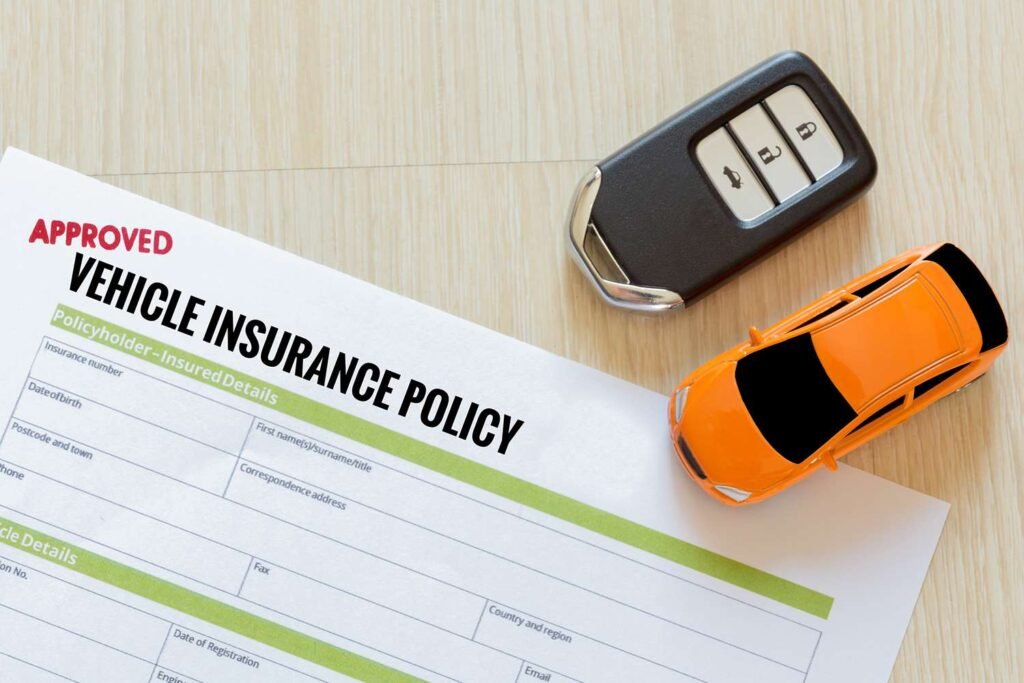

What Is Auto Insurance and Why Do You Need It
Auto insurance is a contract between you and an insurance company that protects you financially if you have a car accident
In the United States auto insurance is mandatory in almost every state
Driving without insurance can lead to heavy fines license suspension and even jail time
Auto insurance covers your medical bills vehicle repair costs and legal fees if you are at fault
It also protects you if someone else damages your car or if your car gets stolen
Without auto insurance a single accident can cost you tens of thousands of dollars
That is why every car owner in America must understand how auto insurance works
This guide will explain everything you need to know about auto insurance in simple words
How Does Auto Insurance Work
Auto insurance works on a simple principle you pay a premium and the company pays your covered losses
You choose a coverage limit and a deductible when you buy your policy
The deductible is the amount you pay out of pocket before the company pays the rest
If you have an accident you file a claim with your insurance company
The company investigates the claim and pays for the damages up to your coverage limit
Your premium depends on many factors like your age driving record car type and location
Young drivers and drivers with accidents pay higher premiums
Safe drivers with clean records get discounts and lower rates
The whole system is designed to spread risk among many drivers so no one bears the full cost alone
Understanding this basic process helps you make better decisions when buying car insurance
Types of Auto Insurance Coverage
Auto insurance is not just one policy it is a combination of different coverages
Each coverage protects you against a specific type of loss or damage
Here are the main types of auto insurance coverage you need to know
Liability Coverage
Liability coverage is mandatory in almost every state
It covers the other person’s injuries and property damage if you are at fault in an accident
Liability does not cover your own injuries or your car damage
It has two parts bodily injury liability and property damage liability
Bodily injury liability pays for the other person’s medical bills lost wages and pain and suffering
Property damage liability pays for the other person’s car repairs or other property you damaged
Collision Coverage
Collision coverage pays for damage to your own car when it hits another car or object
It also covers your car if it overturns or if you hit a pothole or guardrail
Collision is usually required if you have a car loan or lease
It has a deductible and you pay that amount before the company pays the rest
This coverage is optional if you own your car outright
Comprehensive Coverage
Comprehensive coverage pays for damage to your car that is not caused by a collision
It covers theft fire vandalism flood hail animal strikes and falling objects
Like collision it also has a deductible and you pay that first
Comprehensive is often required with collision if you finance or lease your car
This coverage gives you peace of mind against unexpected non-accident damages
Personal Injury Protection (PIP)
Personal Injury Protection or PIP covers your medical bills regardless of who caused the accident
It also covers lost wages child care and funeral expenses
PIP is mandatory in no-fault states and optional in other states
It is also called no-fault insurance because you claim from your own company
This coverage ensures you get medical treatment quickly without waiting for fault determination
Uninsured and Underinsured Motorist Coverage
Uninsured motorist coverage protects you if the other driver has no insurance
Underinsured motorist coverage protects you if the other driver has insufficient insurance
Both coverages pay for your medical bills and sometimes car damage
These are mandatory in some states and optional in others
They are very important because many American drivers still drive without insurance
What Is No-Fault Insurance
No-fault insurance is a system where your own insurance company pays your medical bills regardless of fault
This system exists in some states like Florida New York New Jersey and Michigan
In no-fault states you cannot sue the other driver except in cases of severe injury
The purpose is to reduce lawsuits and speed up claim processing
No-fault states require Personal Injury Protection or PIP coverage
Each no-fault state has its own threshold for when you can step outside the system
Some states have a verbal threshold and others have a monetary threshold
Understanding whether your state is no-fault or at-fault is very important
If you live in a no-fault state you must carry the minimum required PIP coverage
This system simplifies the claim process but also limits your right to sue
How Auto Insurance Premiums Are Calculated
Insurance companies use many factors to calculate your auto insurance premium
Your age is a big factor because young and inexperienced drivers have more accidents
Your driving record is very important drivers with tickets or accidents pay more
The type of car you drive affects your premium expensive cars cost more to insure
Your location matters because urban areas have more accidents and theft
Your credit score is used in most states to determine your premium
People with low credit scores pay higher premiums because they are considered high risk
Your annual mileage also affects your premium the more you drive the higher the risk
Your marital status and gender also play a role in some states
Insurance companies use complex algorithms to assess your risk profile
Safe driving and a clean record are the best ways to keep your premium low
How to Get Cheap Auto Insurance Quotes
Everyone wants cheap auto insurance but you need to know the right strategies
First shop around and compare quotes from at least three to five companies
Different companies have different pricing models so you get different rates
Second increase your deductible if you can afford to pay more out of pocket
A higher deductible lowers your premium significantly
Third ask for discounts many companies offer good student discounts safe driver discounts and multi-policy discounts
Bundling your auto and home insurance with one company saves you money
Fourth maintain a clean driving record no tickets no accidents and no claims
Fifth drive a safe and affordable car with good safety features and low theft rates
Sixth consider usage-based insurance where you pay based on your actual driving behavior
Seventh pay your premium annually instead of monthly to save on installment fees
Eighth check your credit score and improve it because better credit means lower premium
Does Auto Insurance Follow the Car or the Driver
This is a very common question and the answer depends on the situation
Generally auto insurance follows the car not the driver
This means if someone else drives your car with permission your insurance covers them
If you lend your car to a friend and they cause an accident your policy pays
But the friend’s insurance may also pay as secondary coverage
The opposite is also true if you drive someone else’s car their insurance is primary
If you frequently drive rental cars you may need rental car insurance from the rental company
If you are a delivery driver or ride-share driver regular auto insurance does not cover you
You need commercial insurance or a ride-share endorsement for Uber and Lyft
Always check your policy to understand who is covered when driving your car
If you are not sure ask your insurance agent for clear clarification
How to File an Auto Insurance Claim
Filing an auto insurance claim can be stressful but following these steps makes it easier
First ensure everyone is safe and call the police if there are injuries
Second exchange information with the other driver including name phone number plate number and insurance details
Third take photos of the damage to both vehicles and the accident scene
Fourth get witness contact information if there are any witnesses
Fifth call your insurance company as soon as possible to start the claim process
Sixth provide all the details including the police report number if available
Seventh the insurance company will assign a claims adjuster to your case
Eighth the adjuster will inspect the damage and estimate repair costs
Ninth you pay your deductible and the company pays the rest up to your coverage limit
Tenth if you disagree with the settlement you can negotiate or appeal the decision
Keep copies of all documents and correspondence for your records
What Is Gap Insurance and Do You Need It
Gap insurance is a special type of coverage that covers the gap between what you owe and what your car is worth
If you total your car the insurance company pays the actual cash value of the car
Actual cash value is the market value of your car at the time of the accident
But if you have a car loan your loan balance may be higher than the car value
This gap can be thousands of dollars and you have to pay it yourself
Gap insurance pays this difference and saves you from financial loss
You need gap insurance if you have a car loan with a small down payment
You also need it if you lease a car or have a long loan term
Gap insurance is cheap and often added to your comprehensive and collision coverage
Many dealers also offer gap insurance but it is cheaper through your auto insurer
You can cancel gap insurance once your loan balance is less than your car value
What Is SR-22 Insurance
SR-22 is not actually insurance it is a certificate that proves you have insurance
The court or DMV requires SR-22 after serious driving violations
Common reasons for SR-22 are DUI reckless driving driving without insurance or multiple tickets
Your insurance company files the SR-22 with the state on your behalf
SR-22 insurance is more expensive than regular insurance because you are considered high risk
You must maintain SR-22 for a specific period usually three to five years
If your insurance lapses during this period the state suspends your license again
You can shop around for SR-22 rates because different companies charge differently
Not all insurance companies offer SR-22 so you may need to find a specialized company
Once the required period ends your SR-22 is removed and your rates eventually decrease
Auto Insurance Discounts You Should Not Miss
Insurance companies offer many discounts that can save you hundreds of dollars
Good driver discount for drivers with no accidents or tickets for three to five years
Good student discount for students with a B average or higher
Safe vehicle discount for cars with airbags anti-lock brakes and anti-theft devices
Multi-policy discount for bundling auto with home or renters insurance
Multi-car discount for insuring more than one car on the same policy
Low mileage discount for driving less than a certain number of miles per year
Defensive driving course discount for completing an approved driving course
Paperless discount for signing up for electronic billing and documents
Pay-in-full discount for paying your annual premium in one payment
Automatic payment discount for setting up automatic monthly payments
Military and federal employee discounts for active duty personnel and government workers
Always ask your agent about all available discounts before you buy
Common Auto Insurance Myths Debunked
There are many myths about auto insurance that can confuse you
Myth one red cars cost more to insure but color does not affect premium
Myth two older cars are cheaper to insure but older cars may lack safety features
Myth three your insurance covers everything but no policy covers everything
Myth four the minimum coverage is enough but minimum coverage often leaves you exposed
Myth five your credit score does not affect insurance but in most states it does
Myth six friends are covered on your policy but friends need permission to be covered
Myth seven you do not need insurance if you drive rarely but you still need minimum coverage
Myth eight the insurance company always overcharges but rates are regulated by the state
Myth nine you cannot switch companies mid-policy but you can switch anytime
Myth ten comprehensive coverage covers all damages but it does not cover collision damage
Always verify any auto insurance information with your agent or company
What Happens If You Drive Without Insurance
Driving without insurance is illegal in almost every state and the penalties are severe
If you get caught you will face fines ranging from hundreds to thousands of dollars
Your driver license and registration may be suspended
You may have to pay reinstatement fees to get your license and registration back
If you cause an accident without insurance you are personally responsible for all damages
The other driver can sue you for their medical bills and car repairs
You may have to pay wage garnishment if you cannot pay the court judgment
Some states impound your car if you are caught driving without insurance
After a violation you may need to file an SR-22 which increases your premium for years
Driving without insurance is never worth the risk so always keep your coverage active
Even a single day of driving without coverage can ruin your financial future
Tips for New Drivers Buying Auto Insurance
If you are a new driver auto insurance can seem overwhelming but these tips help
First add yourself to your parents policy if you live at home because it is cheaper than buying alone
Second take a defensive driving course to get a discount and learn safe driving skills
Third buy a safe and affordable car with good safety ratings and cheap repairs
Fourth maintain good grades because students with B averages get discounts
Fifth avoid sports cars and luxury cars because they are expensive to insure
Sixth drive carefully and avoid tickets or accidents in your first few years
Seventh compare quotes from many companies because rates vary a lot for new drivers
Eighth consider usage-based insurance if you drive less than average
Ninth ask about all available discounts because every dollar saved matters
Tenth increase your deductible if you can afford it to lower your monthly premium
Building a safe driving record takes time but it pays off with lower rates
The Future of Auto Insurance
Auto insurance is changing rapidly due to new technology and driving habits
Telematics and usage-based insurance are becoming very popular
These programs track your driving through a device or app and reward safe driving
Electric vehicles and autonomous vehicles are also changing the insurance landscape
Autonomous cars may reduce accidents and lower premiums in the future
But they also raise questions about liability when computers drive
Pay-per-mile insurance is becoming available for people who drive very little
More states are considering no-fault systems to reduce lawsuits
Climate change is also affecting insurance because extreme weather causes more car damage
The insurance industry will keep adapting to new challenges and opportunities
As a driver you should stay informed about these trends and explore new options