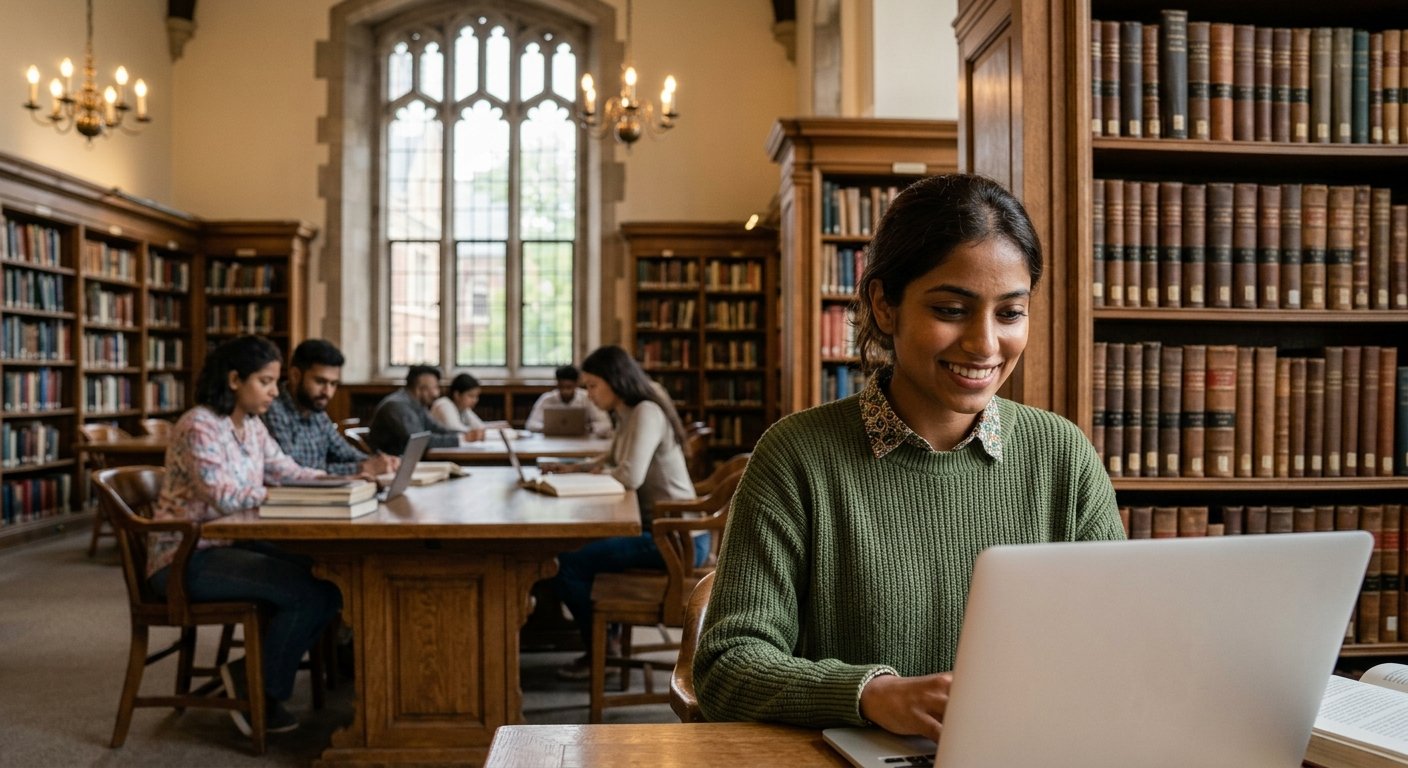
Harvard University A Legacy of Academic Excellence, Global Impact, and Intellectual Leadership
Introduction
Founded in 1636, Harvard University stands as a global beacon of higher education, scholarly research, and leadership. Located in Cambridge, Massachusetts, Harvard is the oldest institution of higher learning in the United States. Over nearly four centuries, it has evolved from a small colonial college into a world-renowned research university, shaping politics, science, literature, business, and technology worldwide.
Harvard’s global reputation rests on its rigorous academic standards, distinguished faculty, and expansive resource network. Its mission remains clear: to create knowledge, open minds, and educate leaders who make a transformative impact on global society.
History and Foundation
The Early Colonial Era (1636–1700s)
Harvard was established by a vote of the Great and General Court of the Massachusetts Bay Colony. It was named after John Harvard, a young clergyman from Charlestown who bequeathed his library of 400 books and half his estate to the newly formed institution.
In its early decades, Harvard operated as a seminary-style institution designed to train Puritan clergy. The curriculum focused on classical learning, including Latin, Greek, Hebrew, logic, and philosophy. Despite modest beginnings, the university quickly grew into a central intellectual hub for the American colonies.
Transition to a Modern University
Throughout the 19th and 20th centuries, Harvard underwent significant modernization. Under the leadership of President Charles William Eliot (1869–1909), the university transformed its classical curriculum by introducing:
- Elective course systems allowing students freedom of study.
- Advanced professional graduate programs in law, medicine, and business.
- Modern laboratory facilities to support scientific inquiry.
These reforms set a benchmark for higher education institutions across North America and solidified Harvard’s position as a premier global university.
Academic Structure and Programs
Harvard University consists of Harvard College for undergraduate studies, alongside 12 graduate and professional schools. Together, they offer hundreds of degree programs spanning humanities, social sciences, natural sciences, engineering, and professional practice.
+-----------------------------------------------------------------------+
|                         HARVARD UNIVERSITY                            |
+-----------------------------------------------------------------------+
                                   |
         +-------------------------+-------------------------+
         |                                                   |
[ Harvard College ]                                [ Graduate Schools ]
 - Liberal Arts Education                            - Harvard Law School
 - Bachelor of Arts (A.B.)                           - Harvard Medical School
 - Bachelor of Science (S.B.)                        - Harvard Business School
                                                     - Harvard Design School
                                                     - Harvard Kennedy School
Harvard College (Undergraduate Studies)
Harvard College offers a four-year liberal arts and sciences program. Students select concentrations (majors) across a wide array of disciplines:
- Economics & Government: Preparing leaders in policy, finance, and global governance.
- Computer Science & Applied Math: Driving innovation in artificial intelligence, software, and computational research.
- History & Literature: Fostering deep analytical thinking through historical and cultural study.
- Life Sciences & Bioengineering: Conducting cutting-edge research in genetics, biotechnology, and medicine.
Premier Graduate and Professional Schools
- Harvard Law School (HLS): One of the most influential law schools in the world, training leaders in constitutional, international, and corporate law.
- Harvard Medical School (HMS): A leader in biomedical research, clinical training, and global public health.
- Harvard Business School (HBS): Known globally for pioneered case-study learning, producing business executives, founders, and venture capitalists.
- Harvard Kennedy School (HKS): Focused on public policy, governance, and international affairs.
Admissions and Financial Aid
Harvard University operates one of the most selective admissions processes in global higher education. The admissions committee evaluates candidates holistically, assessing academic achievement, extracurricular commitment, leadership potential, and personal character.
Key Admissions Metrics
| Metric | Profile / Range |
| Acceptance Rate | ~3.6% |
| Middle 50% SAT Score | 1510 – 1580 |
| Middle 50% ACT Score | 34 – 36 |
| First-Year Retention Rate | ~98% |
| Graduation Rate | ~97.5% |
Need-Blind Admissions and Financial Aid
Harvard is committed to ensuring financial constraints do not prevent talented students from attending.
- Need-Blind Admissions: Applicants are evaluated without regard to their family’s financial status.
- 100% Demonstrated Need Met: Harvard meets the full calculated financial need of every admitted student through grants rather than loans.
- Free Tuition Threshold: Families earning below a specific income threshold pay zero out-of-pocket costs for tuition, room, board, and fees.
Campus, Libraries, and Research Facilities
Campus Geography
Harvard’s main campus centers on Harvard Yard in Cambridge, Massachusetts, home to historic residence halls, libraries, and administrative buildings. Beyond Cambridge, Harvard’s footprint extends to:
- Allston Campus: Home to the Harvard Business School and the John A. Paulson School of Engineering and Applied Sciences.
- Longwood Medical Area: Located in Boston, housing Harvard Medical School, Harvard Dental School, and the Harvard T.H. Chan School of Public Health.
+--------------------------------------------------------------------------+
|                         HARVARD CAMPUS LAYOUT                            |
+--------------------------------------------------------------------------+
|  [ Cambridge Campus ]    -->  Harvard Yard, Humanities, Sciences         |
|  [ Allston Campus ]      -->  Business School, Engineering & Tech        |
|  [ Longwood Campus ]     -->  Medical, Dental & Public Health            |
+--------------------------------------------------------------------------+
The Harvard Library System
The Harvard Library system is the largest academic library network in the world, containing over 20 million volumes across more than 70 individual libraries. Key facilities include:
- Widener Library: The flagship library housed in Harvard Yard, featuring vast humanities and social science collections.
- Houghton Library: The primary repository for rare books, historic manuscripts, and primary sources.
- Harvard Film Archive: Preserving cinematic history through extensive international collections.
Global Impact and Notable Alumni
Harvard’s network of over 400,000 living alumni spans every continent and field of human endeavor. The university has produced world leaders, Nobel laureates, Pulitzer Prize winners, and pioneering entrepreneurs.
World Leaders and Heads of State
Harvard has educated eight U.S. Presidents, including:
- John Adams and John Quincy Adams
- Theodore Roosevelt and Franklin D. Roosevelt
- John F. Kennedy
- Barack Obama
In addition, dozens of foreign heads of state, prime ministers, and international diplomats have completed their education across Harvard’s schools.
Pioneers in Science, Business, and Culture
- Tech Pioneers: Mark Zuckerberg (Facebook founder) and Bill Gates (Microsoft co-founder).
- Nobel Laureates: Over 160 Nobel laureates have been affiliated with Harvard as faculty, researchers, or alumni.
- Literary & Cultural Figures: T.S. Eliot, Ralph Waldo Emerson, Helen Keller, and Henry David Thoreau.
Research Initiatives and Future Outlook
Harvard continues to lead in breakthrough research across critical scientific and social disciplines. Current research frontiers include:
- Artificial Intelligence & Quantum Computing: Developing ethical AI systems, machine learning algorithms, and next-generation quantum infrastructure.
- Climate Change & Sustainability: Researching clean energy transitions, climate economics, and international environmental policy.
- Biomedical Innovation: Pioneer work in gene editing (CRISPR), mRNA technology, and personalized oncology.
- Global Governance: Studying economic development, democratic institutions, and international conflict resolution.
Conclusion
Harvard University’s journey from a small colonial college in 1636 to a global academic superpower highlights its enduring commitment to excellence, innovation, and leadership. By combining world-class faculty, deep financial resources, and exceptional student talent, Harvard continues to shape the future of global education and scientific research for generations to come.